Our legacy project
Indigenous offsets — carbon revenue that belongs to the community.
Indigenous communities have protected carbon-rich land for generations, yet rarely own the carbon projects built on it. Our legacy project changes that: we help indigenous communities own, develop and benefit from their own offsets.
0%
of the world's remaining biodiversity is on indigenous land
0%
of Africa's land is held under customary tenure
0%+
of carbon revenue we target to stay with the community
0
international standards we register under
Where the carbon sits
Rooted in Africa, built for the Global South.
From the Congo Basin to the Sahel, much of Africa's carbon-rich land — forests, grasslands and rangelands — sits under customary and communal tenure. The same pattern runs across the Global South. That makes communities the natural owners of the carbon it stores.
Sahel
Agroforestry & grazing belts
West Africa
Community forests
Congo Basin
Peatlands & rainforest
East Africa
Pastoral & highland forests
Madagascar
Dry & spiny forests
Southern Africa
Communal & tribal land
How we help
01
Community ownership and governance
We help communities establish the legal and governance structures to own their carbon projects outright — from land tenure and consent processes to community trusts and project entities.
02
Project design and registration
We design carbon projects around the community's land and livelihoods, and register them under leading standards such as Verra VCS and Gold Standard.
03
Monitoring, reporting and verification
We build simple, community-led MRV systems so the community controls its own data and can prove every tonne it sells.
04
Fair revenue and benefit sharing
We structure benefit-sharing agreements that keep the majority of carbon revenue in the community — transparently, and for the long term.
05
Market access and commercialisation
We connect community-owned credits to serious buyers, negotiate on the community's side of the table, and protect them from unfair terms.
06
Capacity building
We train community members to run, monitor and grow their projects — so expertise stays in the community, not with consultants.
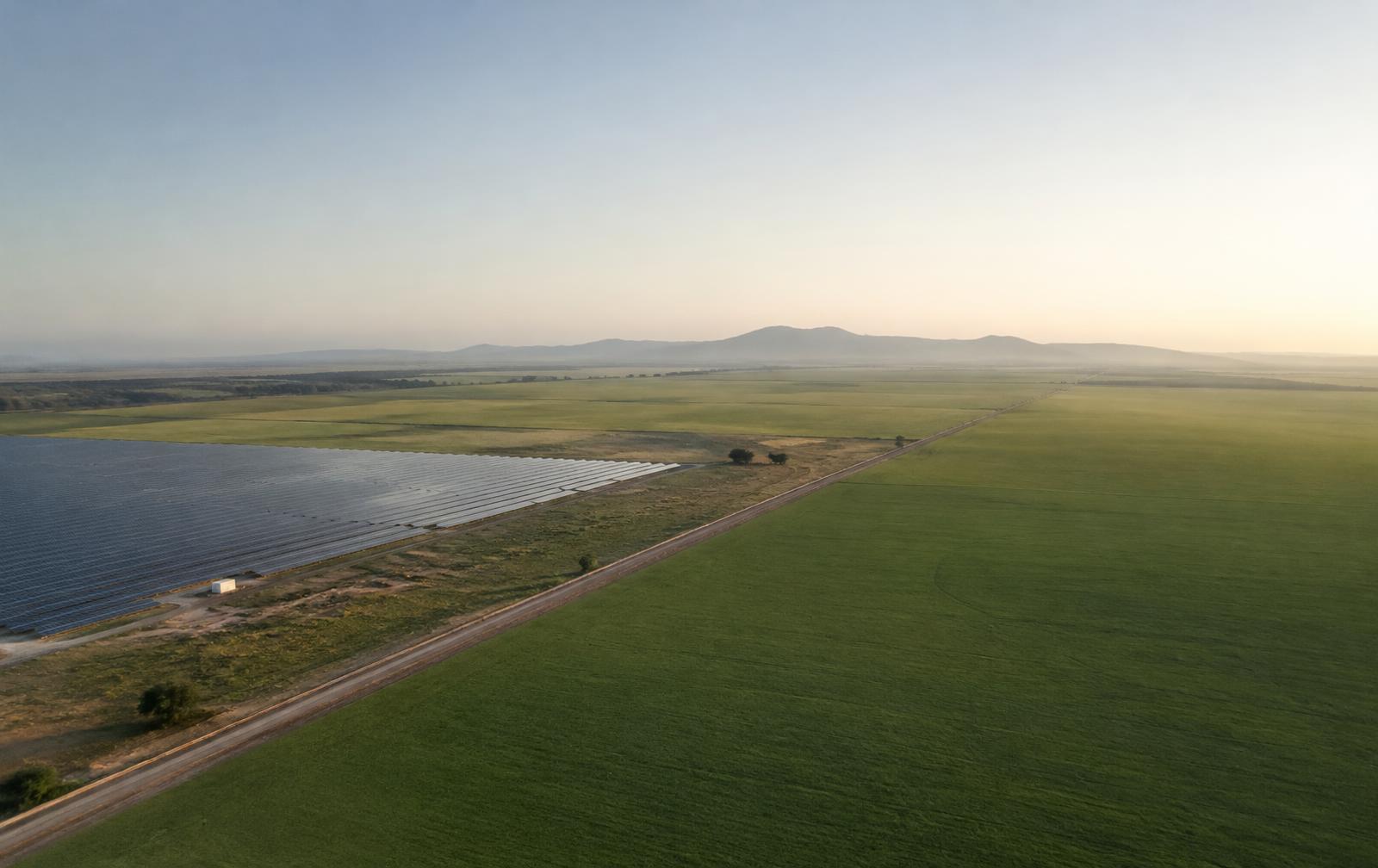
"The people who protected the land should be the people who profit from it."
Who this is for
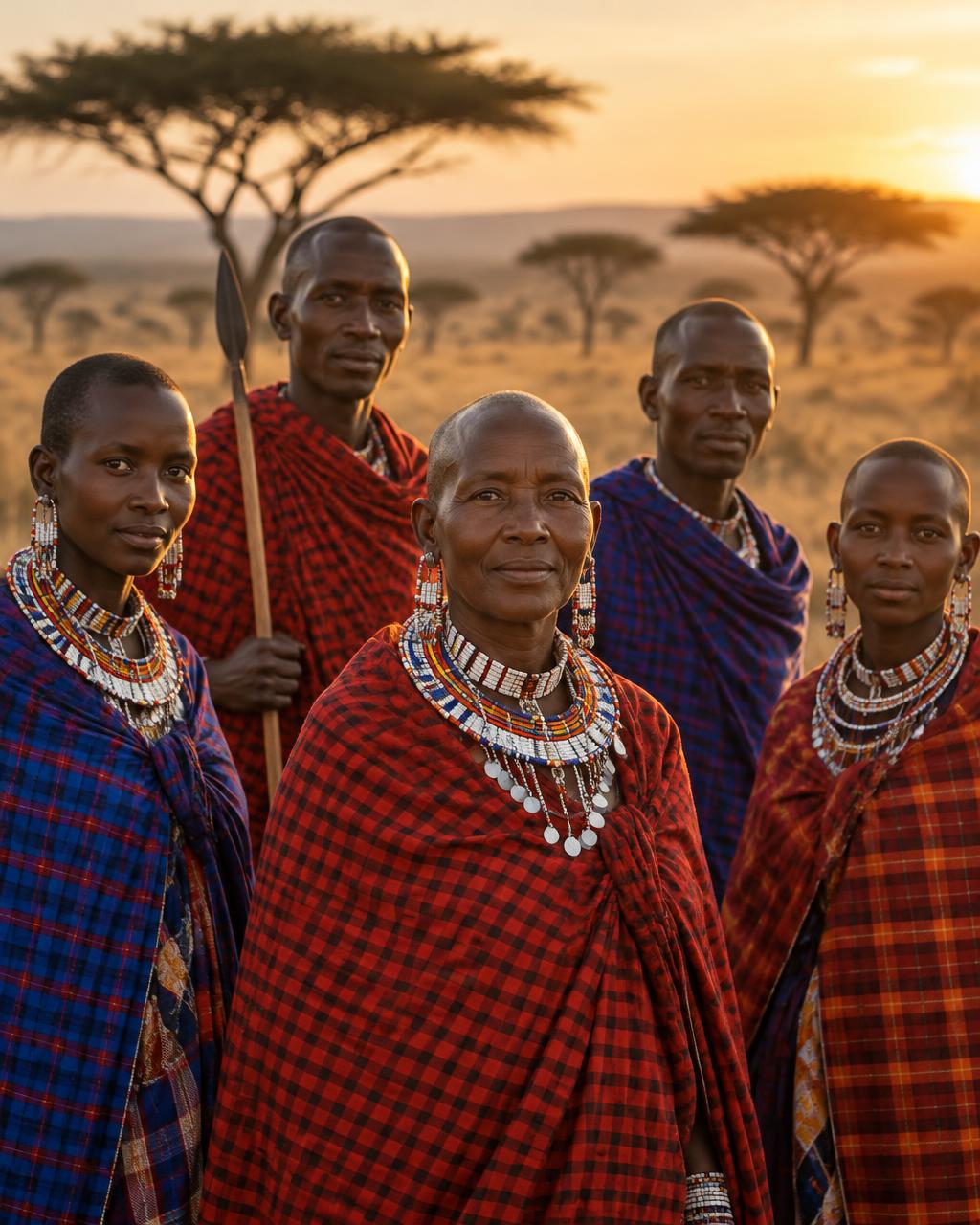
The communities who hold the land.
Indigenous and traditional communities protect a large share of the world's remaining forests, rangelands and wetlands — and rarely own the carbon projects built on that land. Our legacy project exists to change that.
We work with communities across Africa and the wider Global South: helping them structure ownership, register projects, verify their own carbon and sell it on fair terms.
What we stand by
Free, prior and informed consent
Nothing proceeds without the community's clear, informed agreement — at every stage, not just at signing.
The community owns the carbon
Credits are issued to the community's own entity. We advise; we never take ownership.
Revenue stays local
Benefit-sharing is agreed upfront, in writing, with the majority of value flowing to the community.
Culture and land come first
Projects are designed around traditional land use and livelihoods — never against them.
How a project unfolds
Listen and consent
We spend time with the community, explain carbon markets plainly, and seek free, prior and informed consent before anything begins.
Structure ownership
We help establish the community entity, tenure and governance that will own the project and its revenue.
Design and register
We design the project, register it under an international standard, and set up community-led monitoring.
Sell and share
We bring credits to market, negotiate fair prices, and ensure revenue flows to the community as agreed.